

Learn 17 Headline Formulas That Make Pre-Sell Listicles Convert
If you run a WooCommerce store, you’ve probably seen this pattern. Your Meta or Google ads get clicks, your product page gets visitors, and most of them leave without adding anything to the cart. The product page is built to close, but cold traffic isn’t ready to close. They don’t know your brand, they don’t trust you yet, and they haven’t decided your type of product is the answer to their problem.
A pre-sell listicle fills that gap. It’s a short article, something like “7 Reasons Why Everyone’s Switching to [Your Product]”, that sits between the ad and the product page. It warms the visitor up, handles objections, and sends them to your product page already half-convinced.
The headline decides whether any of that happens. Here are 17 proven formulas, grouped by the psychology behind them, with WooCommerce-specific examples you can adapt.
Why WooCommerce Stores Benefit From Pre-Sell Pages
Shopify merchants have a wide ecosystem of landing page builders. WooCommerce merchants have an advantage that often goes unused: you own your WordPress site. That means:
- No platform limits on content. You can publish listicles as normal posts or pages, with full control over layout, SEO, and tracking.
- Your listicle lives on your domain. It builds domain authority, can rank in search, and keeps all your data in your own analytics.
- Native product linking. Gutenberg blocks, shortcodes, or product embeds let you drop live product cards, prices, and add-to-cart buttons straight into the article.
The downside is that WooCommerce stores often get slow when they pile on page builders and plugins. A pre-sell page needs to load fast on mobile, because that’s where most ad traffic lands.
The 5 Patterns Behind the 17 Headlines
1. Challenge the Category
These headlines attack the existing solutions before introducing yours.
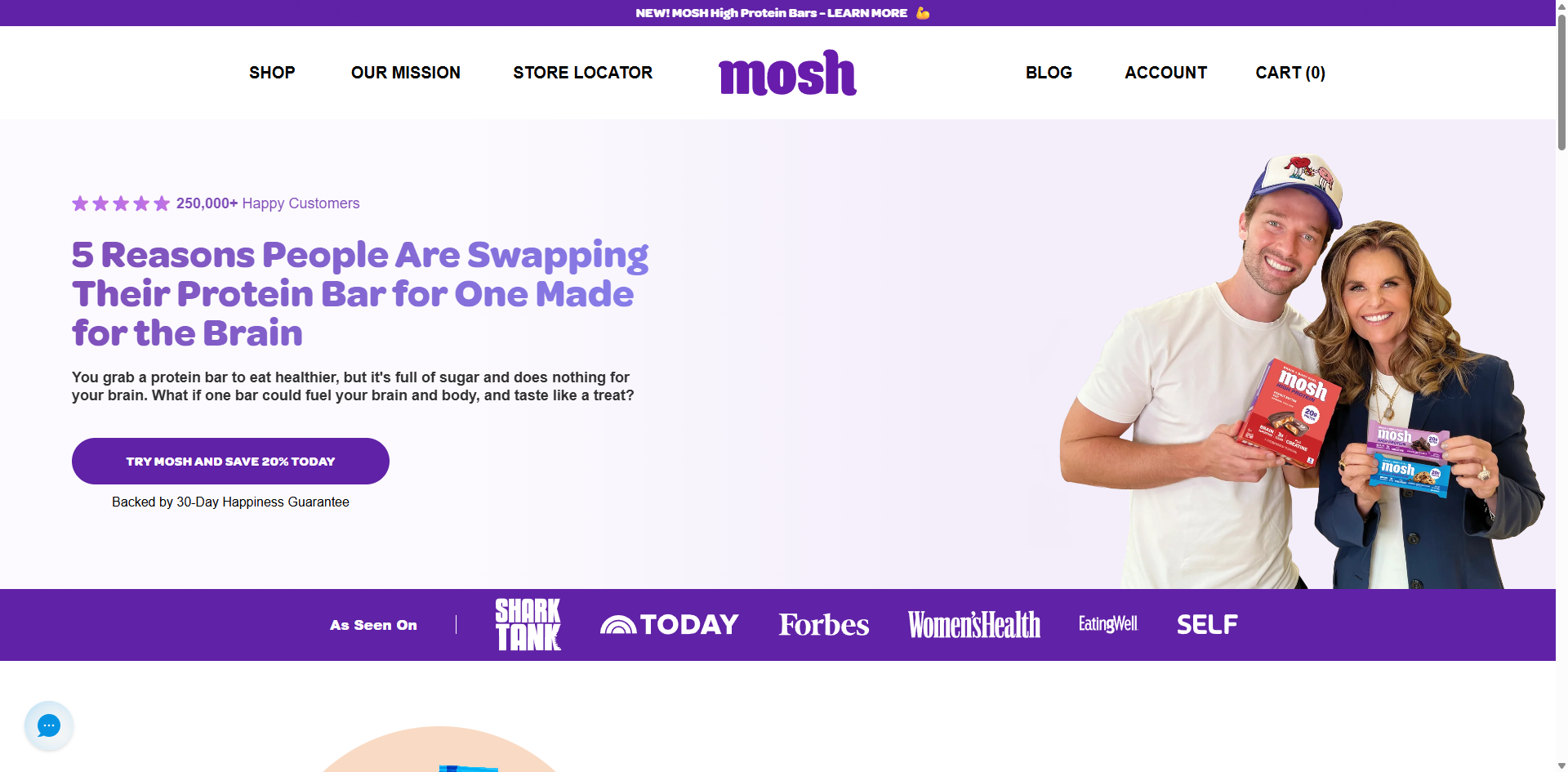
- 5 Reasons Why Most [Product] Don’t Work for [Problem] (and how [Brand] is different)
- 6 Concerning [Ingredients / Features] in [Common Solution], and a Safe Alternative
- 10 Reasons Why This Breakthrough [Product] Crushes [Common Solution]
- 5 Reasons Why You’re Still [Problem], Even After Trying [Common Solutions]
WooCommerce example (selling a product): 5 Reasons You’re Still Dealing With Back Pain, Even After Trying Gel Cushions and Posture Correctors
WooCommerce example (selling to merchants): 5 Reasons Your WooCommerce Store Still Has Abandoned Carts, Even After Installing a Recovery Plugin
2. Social Proof and Momentum
- 7 Reasons Why Everyone’s Switching to [Brand] for [Solution] in 2026
- 7 Reasons [Avatar] Started Switching to [Product / Solution]
- 8 Reasons Why 100,000+ [Avatar] Switched to This [Your Product]
- 4 Reasons This [Product] Is Going VIRAL (and how it works)
Example: 7 Reasons Why Everyone’s Switching to This Cold-Pressed Coconut Oil for Dry Skin in 2026
For merchants: 7 Reasons WooCommerce Store Owners Started Switching to Lightweight Checkout Plugins
Only use specific numbers like “100,000+” if you can back them up. Fake social proof is the fastest way to lose trust, and in many regions it also breaks advertising rules.
3. Speak to the Avatar Directly
- 11 Reasons Why Every [Avatar] Needs This [Solution] for [Problem]
- 6 Reasons People Over [Target Age] Are Obsessed with [Brand]
- 7 Reasons This Is the Only [Product] Built for [Niche Avatar]
- 6 Reasons Why [Product] Is a Game-Changer for [Avatar]
Example: 6 Reasons People Over 40 Are Obsessed With This Handmade Soap
For merchants: 11 Reasons Why Every WooCommerce Store Selling Subscriptions Needs This Retention Tool
4. Authority and Desire
- 8 Reasons Why [Authority / Doctor] Loves [Product] for [Problem]
- 5 Reasons [Avatar] Who Swore They Couldn’t [Desire] Are Choosing [Brand]
Example: 5 Reasons Home Cooks Who Swore They Couldn’t Bake Sourdough Are Choosing This Starter Kit
Authority claims need real authority. If you say a dermatologist recommends it, you need a named, consenting expert, and in health categories you need to check local advertising regulations.
5. Solve the Problem Without the Pain
- 5 Ways [Product] Helps Solve [Problem], With / Without [Unique Selling Point]
- 5 Ways [Product] Removes Embarrassing [Problem], Without [Common Concern]
- 6 Reasons [Product] Is a Must-Have for [Common Problem]
Example: 5 Ways This Cream Fixes Cracked Heels, Without Greasy Socks or Salon Visits
How to Build the Listicle in WooCommerce
A great headline with a slow, messy page wastes your ad spend. Here’s a practical setup.
1. Create it as a separate page, not a product page. Use a clean page template without your full site header, menus, and footer links. Every extra link is an exit.
2. Structure it as numbered sections. Each reason gets an H2, a short paragraph, and one proof element: a customer photo, a review excerpt, a comparison, or a data point.
3. Embed live product elements. Use a product block, a shortcode, or a button linking straight to the product with add-to-cart. Place a call to action after reason 3, after the last reason, and in a sticky mobile bar.
4. Keep it light. Compress images, lazy-load everything below the fold, and avoid loading heavy scripts on this page. Pre-sell pages should hit good Core Web Vitals, especially LCP, because ad traffic bounces fast on slow pages.
5. Track it properly. Add UTM parameters to your ad links, pass them through to WooCommerce orders if you can, and set up GA4 events for scroll depth and click-through to the product page. The metric that matters is listicle-to-purchase rate, not just clicks.
6. Add a trust layer. Reviews, return policy, shipping times, and a clear company identity. Listicle pages that look like disguised ads tend to lose trust quickly.
Matching Headline to Traffic Temperature
| Reader state | Best pattern |
|---|---|
| Never heard of your store | Social proof / momentum |
| Tried competitor products | Challenge the category |
| Knows the problem, comparing options | Avatar-specific |
| Skeptical or cautious | Authority / no-pain |
For cold Meta traffic, lead with momentum or the avatar. For retargeting, challenge the category and answer objections.
A Simple Testing Plan for WooCommerce Merchants
- Pick one product with a decent margin and existing ad spend.
- Write three listicles, one from each of three different patterns.
- Send equal traffic from the same ad audience to each.
- Measure cost per add-to-cart and cost per purchase, not just click-through rate.
- Keep the winner, change one variable (avatar, number, or angle), and test again.
Common Mistakes
- Reasons that don’t match the headline. If the headline promises five reasons other products fail, each point must be about failure, not your features.
- Fake urgency and fake numbers. Invented stats and countdown timers hurt trust and can create legal problems.
- A bloated page. Heavy builders and popups on the pre-sell page can erase the gains from a good headline.
- No clear next step. Every section should lead the reader toward the product page.
- Skipping mobile testing. Most ad clicks are on phones. Check the page on a real device.
The Takeaway
Pre-sell listicles work because they meet cold visitors where they are: curious, skeptical, and not ready to buy. The 17 formulas above give you tested structures. Your job is to fill the brackets with specific problems, real proof, and a fast page that gets the reader to your product.
Start with three headlines, one from each of three patterns, and let your own conversion data tell you which one your customers respond to.
Leave a Reply