

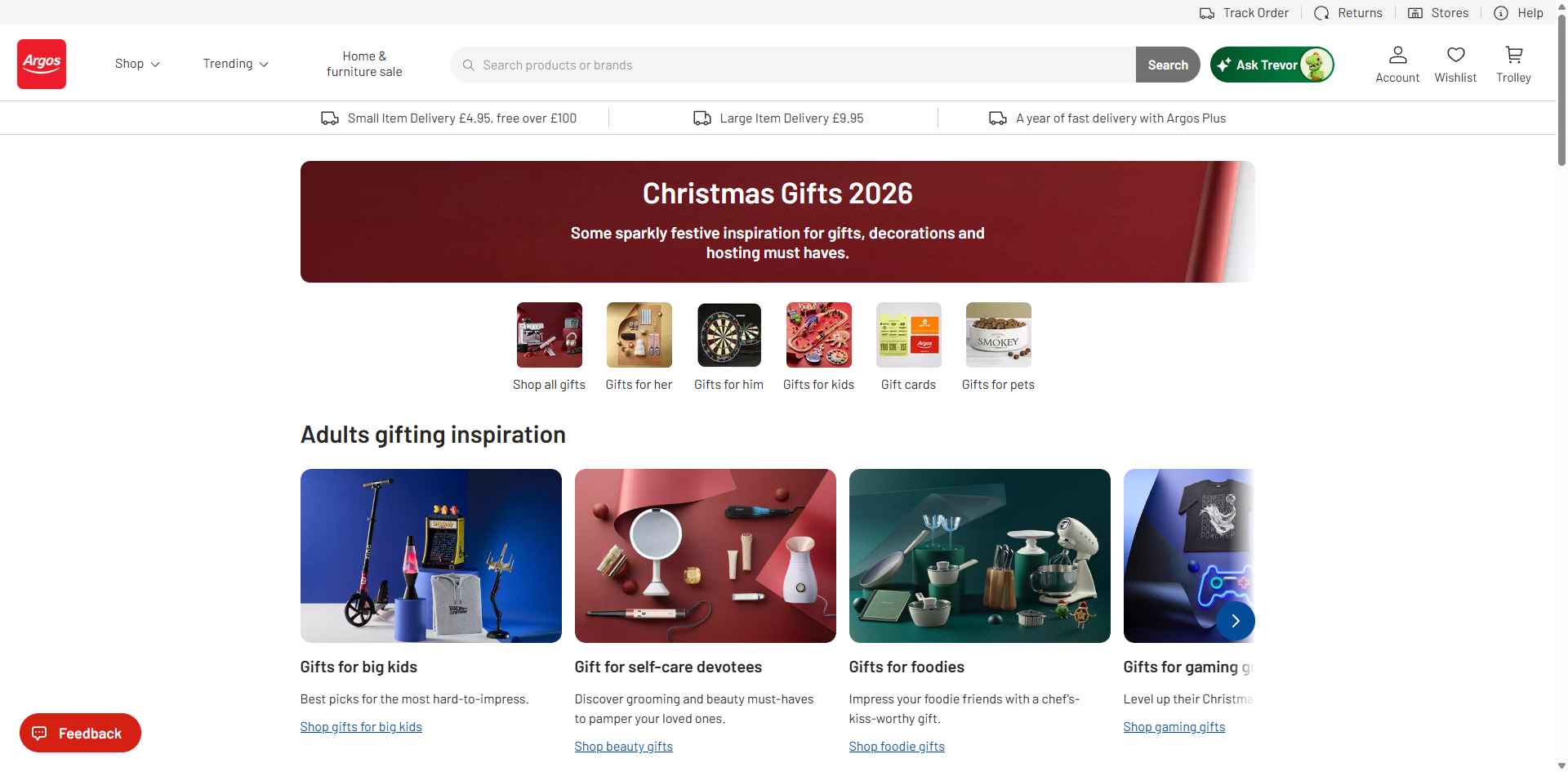
If you work in ecommerce, performance marketing, CRO, paid advertising, or Shopify, you’ve probably come across the term presell page. You’ve also probably noticed people using “presell page” and “landing page” as if they mean the exact same thing.
They’re related, but they’re not identical.
The easiest way to understand the relationship: a presell page is a type of landing page, but not every landing page is a presell page.
The difference comes down to the job the page is designed to do. A traditional landing page might be built to generate a lead, sell a product, collect an email address, promote an offer, or drive some other specific action. A presell page has a more specific role: it sits between the ad and the main offer, and prepares the visitor to take the next step.
In a typical ecommerce funnel, the journey looks something like this:
Ad → Presell Page → Product Page → Checkout
- The ad gets the click.
- The presell page builds the belief.
- The product page presents the offer and closes the sale.
That distinction matters most when you’re dealing with cold traffic.
What Exactly Is a Presell Page?
A presell page is an intermediary page designed to warm up a visitor before they reach the main product or sales page.
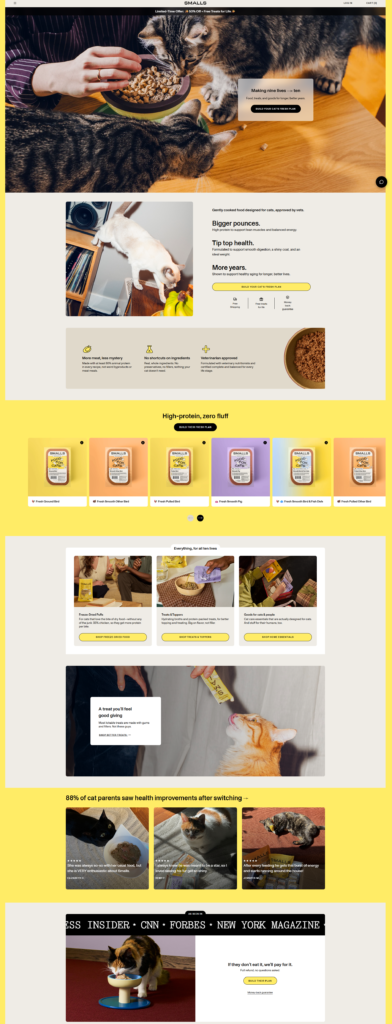
Instead of immediately saying “here’s our product, buy it now,” it gives the visitor a reason to care first. It may:
- Educate them about a problem
- Introduce a new mechanism or solution
- Tell a customer story
- Compare different solutions
- Address common objections
- Present reviews or social proof
- Explain why a problem exists and why existing solutions haven’t worked
Only after building that context does it point the visitor toward the actual offer.
This is why presell pages are especially useful for cold paid traffic. Someone who’s never heard of your brand isn’t in the same mental state as an existing customer or someone who’s already researched your product. The presell page closes that gap. Ecommerce and conversion sources commonly describe presell pages as intermediary content that sits between ad traffic and a product page, built specifically to educate and warm up visitors before the sale.
So, Is a Presell Page a Landing Page?
Yes — a presell page falls under the broader category of landing pages, but there’s an important distinction.
Think of “landing page” as the category and “presell page” as a specific type of landing page with a particular role in the funnel.
Example: Say you run a skincare brand. You could send someone straight from a Meta ad to a product page — name, images, benefits, ingredients, reviews, price, Add to Cart. That’s a direct-response product experience.
Or you could send that same visitor to a presell page first, opening with something like:
“Why Your Skin May Still Feel Dry After Using Moisturizer”
The page walks through the underlying problem, explains why conventional approaches may fall short, introduces a different approach, backs it up with evidence and customer experiences — and only then introduces your product as the solution.
Both pages are landing pages. Only the second one is functioning as a presell.
The Difference Is the Job
This is the core concept: a landing page describes a page type. A presell describes a funnel function.
That means you can’t identify a presell page just by looking at its design. A presell page can look like an article, a review, a comparison, a quiz, an educational guide — it can even resemble a traditional ecommerce landing page. What makes it a presell is what it’s trying to accomplish before the visitor reaches the main offer.
A simple way to remember it:
- Landing page = where the visitor lands.
- Presell page = what the page does before the visitor sees the main offer.
The Classic Ecommerce Funnel
Ad → Presell → Product Page → Cart → Checkout
Each stage has a different job.
1. The Ad Gets Attention
The ad stops the scroll and generates curiosity — a problem, a desired outcome, a surprising fact, a customer story, a specific pain point. Its only goal is the click.
But a click doesn’t mean buying intent. That’s where many funnels go wrong: they assume click = ready to buy. Someone can click because they’re curious, because the headline caught their eye, or because they relate to the problem — without knowing anything about the product itself. This is where a presell page earns its keep.
2. The Presell Builds Belief
The presell takes the attention the ad generated and turns it into interest. It answers questions like:
- Why does this problem matter?
- Why haven’t other solutions worked?
- Is there a better way?
- Can I trust this information?
- Could this actually work for someone like me?
It’s preparing the visitor for the next conversation.
3. The Product Page Presents the Offer
Once the visitor has context, the product page can focus purely on the product: features, benefits, pricing, bundles, guarantees, reviews, shipping, FAQs, specs, add-to-cart options. The visitor isn’t encountering the product cold anymore — they’ve already been introduced to the problem and why the solution matters.
4. Checkout Converts Intent Into a Transaction
By checkout, the funnel has moved the visitor through several psychological stages: Attention → Interest → Understanding → Desire → Action. The presell sits primarily in the middle of that journey.

Common Types of Presell Pages
There’s no single visual format for a presell — the same underlying function shows up in several different shapes.
Advertorial Presell — Structured like editorial content rather than a sales page (e.g., “The New Discovery Helping Thousands of People Deal With…”), often using a narrative arc of problem → discovery → explanation → evidence → product. Note: “advertorial” describes the format; “presell” describes the function. An advertorial can function as a presell, and often does — but the two terms aren’t perfect synonyms.
Problem-Agitation-Solution Presell — Starts with the customer’s problem, builds its importance, then introduces the solution: Problem → Agitation → Explanation → Solution → CTA.
Review-Style Presell — “We Tested 7 Popular Solutions. Here’s What We Found.” Works well when visitors already know the category but aren’t sure which product to pick — the presell focuses on comparison, proof, differentiation, and objection-handling.
Story-Based Presell — Follows a customer, founder, expert, or researcher through a discovery process: Problem → Failed Attempts → Discovery → New Mechanism → Product → Results. Especially useful when the product has an interesting origin story or a mechanism that needs explaining.
Educational Presell — Teaches something useful first (“5 Reasons Your Current Sleep Routine May Not Be Working”), builds expertise and understanding, then introduces the product as the logical next step.
Listicle Presell — “7 Things to Look for Before Buying a Portable Water Filter.” Easy to scan, naturally positions a product as a strong option. A listicle only becomes a presell when its role in the funnel is to warm the visitor and move them toward the offer — not by default.
Presell vs Product Page
A product page is usually built around: “Why should I buy this product?”
A presell page is usually built around: “Why should I care about this problem, solution, or idea?”
That changes the copy. A product page might lead with:
“Advanced Portable Water Filtration for Cleaner Drinking Water Anywhere.”
A presell might lead with:
“The Water Filter Mistake Most Travelers Don’t Realize They’re Making.”
The first is product-focused. The second is curiosity- and problem-focused. Neither is inherently better — the right choice depends on the traffic and the offer.
Cold Traffic Changes Everything
Cold traffic generally means people with limited familiarity with your brand or product — they may not know you, trust you, understand the problem, or believe your solution. Sending that visitor straight to a product page can work, but it can also create too much friction. A presell gives the funnel another chance to build context before asking for the purchase. Industry guidance commonly positions presell pages as most valuable for cold traffic and for products that need education or consideration.
When Should You Use a Presell Page?
Presells aren’t automatically better than direct-to-product funnels. Adding a page doesn’t magically lift conversions — if the visitor already knows what they want, an unnecessary article can make the buying experience worse.
A presell tends to make more sense when:
- The traffic is cold
- The product requires education
- The problem isn’t immediately obvious
- The product uses a new or unfamiliar mechanism
- The price requires consideration
- The category has real skepticism
- Customers have common objections
- The brand needs more trust before the offer
- The ad creates curiosity that needs developing
- The purchase decision involves research
Going direct to the product page tends to make more sense when:
- The product is inexpensive
- The product is easy to understand
- The customer already knows the category
- The traffic is highly intent-driven
- The audience already knows the brand
- The offer is naturally impulse-friendly
- The customer is returning or being retargeted
The best funnel isn’t the one with the most steps — it’s the one with the right steps for the visitor’s level of awareness.
The Awareness Factor
The best way to decide if you need a presell: how much does the visitor already understand?
Someone who searches for the exact product name of a brand they already know probably doesn’t need a long educational presell — they’re already aware. Someone who sees a TikTok or Meta ad about a problem they’ve never thought about may need much more context.
- High awareness → Product page
- Medium awareness → Strong landing page
- Low awareness → Presell → Product page
Match the amount of education to the amount of uncertainty. The same product can use different destinations for different campaigns.
A Presell Shouldn’t Try to Do Everything
A common mistake is turning the presell into a massive sales page. If the visitor has to wade through specs, pricing, shipping details, FAQs, and promo offers before reaching the product page, you’re just duplicating the next stage of the funnel.
A good presell has one job: build enough belief and desire that the visitor wants to take the next step. Think of it as preparing the sale, not completing it — let the product page do the heavy lifting on the actual offer.
What Should a Good Presell Page Include?
There’s no universal template, but strong presells tend to share these elements:
A strong hook. The first section has to answer “why should I keep reading?” The headline needs to connect to the ad and the reason the visitor clicked — message continuity is critical.
A relevant problem. The visitor should recognize themselves in the situation being described.
Education. Give the visitor a reason to believe the problem (or opportunity) is worth paying attention to — why it happens, why common solutions fail, what’s changed, what a better approach looks like.
A mechanism. If the product uses a unique mechanism, introduce the concept before the visitor reaches the product page so the eventual product presentation is easier to understand.
Proof. Customer experiences, reviews, demonstrations, research, expert commentary, before-and-afters where appropriate, product testing, relevant data — proof should support the argument, not just fill space.
Product introduction. Connect the story to the actual product with a logical transition: “this is why this product is relevant to the problem I just learned about.”
A clear CTA. It doesn’t have to say “Buy Now” — it could be “See How It Works,” “Explore the Product,” “See the Full Details,” or “Check Availability,” depending on how much friction remains.
The Most Important Rule: Match the Ad
A presell can’t operate independently of the advertisement. The ad creates a promise; the presell has to continue it.
If the ad says “The surprising reason your current moisturizer may not be solving dry skin,” and the visitor clicks through to “Meet Our Premium Hydrating Moisturizer,” the transition feels abrupt. But if they land on “Why Most Moisturizers Only Address Part of the Problem,” the message continues naturally.
That continuity is what marketers call message match — the ad earns attention, the presell earns belief, the product page earns the purchase.
Presell Pages and Shopify
Presell pages are especially relevant for Shopify and DTC brands running paid traffic. A brand doesn’t have to send every visitor to the same standard product page. Depending on the campaign, the architecture might look like:
- Meta Ad → Advertorial → Shopify Product Page → Checkout
- TikTok Ad → Educational Presell → Collection Page → Product → Checkout
- Paid Ad → Quiz Presell → Personalized Product Recommendation → Product Page
The exact structure depends on the product, audience, traffic source, and buying journey — but the principle holds: don’t force every visitor down the same path just because the store has one product page.
Presell Page vs Landing Page: A Simple Comparison
| Element | Traditional Landing Page | Presell Page |
|---|---|---|
| Main purpose | Drive a specific conversion | Warm the visitor before the offer |
| Typical traffic | Cold or warm | Primarily cold |
| Product focus | Usually high | Usually delayed |
| Education | Depends on the page | Often important |
| Storytelling | Optional | Frequently used |
| Social proof | Common | Common |
| CTA | Direct conversion | Next funnel step |
| Common format | Sales page, lead page, product page | Advertorial, story, review, quiz, listicle |
| Funnel position | Can be anywhere | Usually before the main offer |
Saying “presell pages are landing pages” is correct. Saying “all landing pages are presell pages” is not.
The Bigger Idea: Funnel Stages Have Different Jobs
The confusion usually comes from focusing too much on the page itself instead of the customer journey. A visitor typically moves through:
Attention → Curiosity → Problem Awareness → Solution Awareness → Product Awareness → Desire → Action
A presell is most valuable in the transition from curiosity and problem awareness toward solution and product awareness. The product page takes it from there.
Do Presell Pages Always Increase Conversion Rates?
No — and this is worth clearing up. A presell page isn’t a guaranteed conversion-rate hack. It adds another step, which means another opportunity to lose the visitor. A poor presell can hurt performance if it’s too long, repetitive, friction-heavy, misleading, out of sync with the ad, or if it delays a visitor who was already ready to buy.
The better question isn’t “should every ecommerce brand use presells?” It’s: does this specific audience need to be warmed up before seeing the offer?
How to Test a Presell Funnel
Run a straightforward split test:
- Version A: Ad → Product Page → Checkout
- Version B: Ad → Presell → Product Page → Checkout
Don’t judge the presell on time-on-page alone — high engagement with poor revenue is a trap. Look at business outcomes:
- Cost per purchase
- Conversion rate
- Revenue per visitor
- Customer acquisition cost
- Return on ad spend
- Product page click-through rate
- Add-to-cart rate
- Checkout completion rate
A presell may reduce the percentage of people who reach the product page while increasing the percentage who purchase once they get there — which is why you should evaluate the whole funnel, not one page in isolation.
The Biggest Presell Mistakes
1. Making it look like a generic blog post. Editorial design is fine, but every section still needs to move the visitor toward understanding, trust, or desire.
2. Introducing the product too early. If paragraph one screams “BUY OUR PRODUCT,” you lose the benefit of the presell structure. Continue the conversation the ad started first.
3. Hiding the product completely. The opposite problem — build too much mystery and visitors start wondering what they’re actually being sold. The goal is context, not concealment.
4. Breaking message match. If the ad and the presell feel like two different campaigns, trust drops fast.
5. Using fake editorial authority. Advertorials shouldn’t mislead visitors about the commercial nature of the content. Disclosure requirements vary by jurisdiction and platform, so brands should disclose appropriately rather than presenting paid marketing as independent reporting.
6. Assuming longer means better. A 3,000-word presell isn’t automatically better than a 700-word one. The right length is whatever it takes to move the visitor from their current awareness level to the next step.
The Simplest Mental Model
- A landing page is a destination.
- A presell page is a warm-up.
- A landing page can ask for a purchase, an email, a registration, a booked call.
- A presell specifically prepares someone for the next conversion step — most commonly, a purchase.
That’s why the two terms overlap without being interchangeable.
Final Takeaway
Presell pages are landing pages — but “landing page” is the broader category. A presell is a specialized landing page whose primary purpose is to prepare, educate, persuade, and warm up a visitor before they reach the main offer.
Ad → Presell → Product Page → Checkout
- The ad gets attention.
- The presell builds belief.
- The product page presents the offer.
- The checkout completes the transaction.
Presells can take many forms — advertorials, reviews, listicles, stories, educational articles, comparisons, quizzes. What makes them presells isn’t their appearance; it’s their role in the funnel.
All presell pages can be considered landing pages, but not all landing pages are presell pages.
The real question isn’t whether a page “looks like” a presell. It’s: what job is this page doing for the customer, and where does it sit in the buying journey? Once you think about landing pages that way, preselling becomes much easier to understand.
Leave a Reply